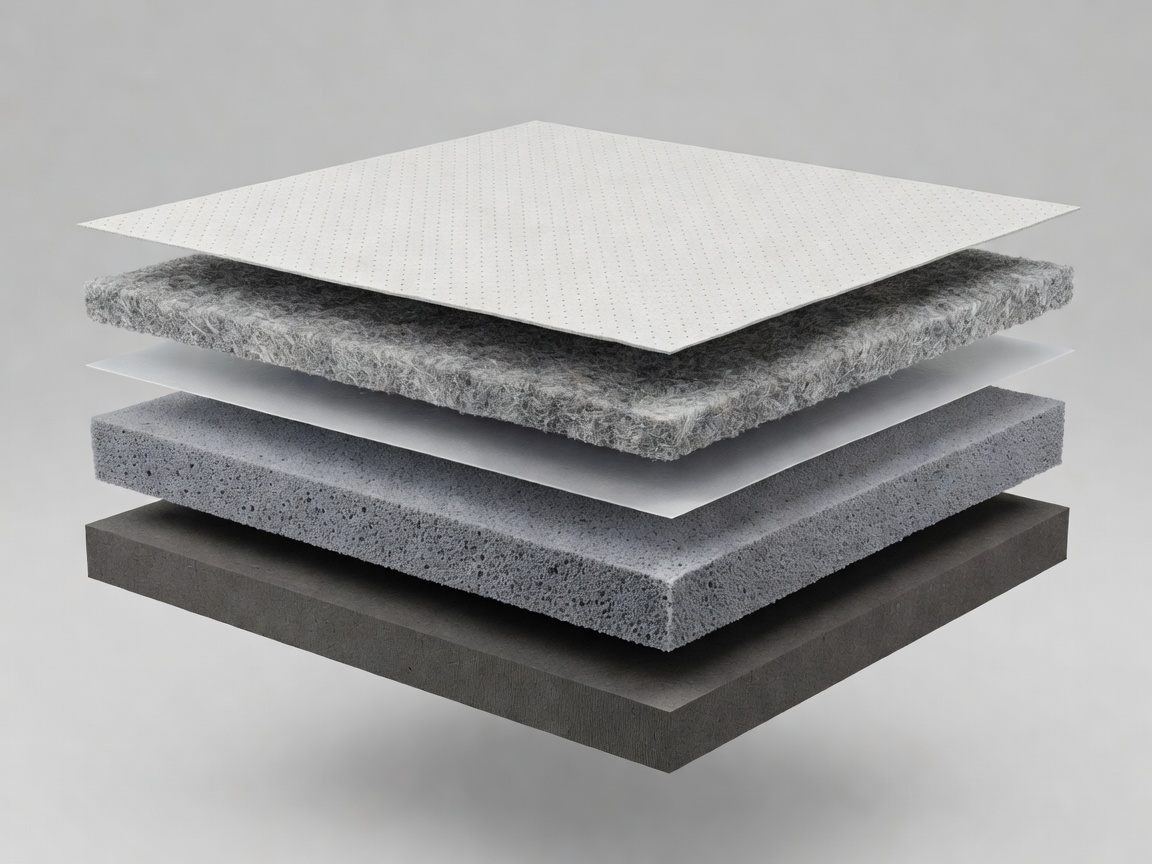
Material Durability
Prefabrication demands materials that perform a dual role: they must survive dynamic transport loads while en route to the site, and deliver multi-generational longevity once installed.
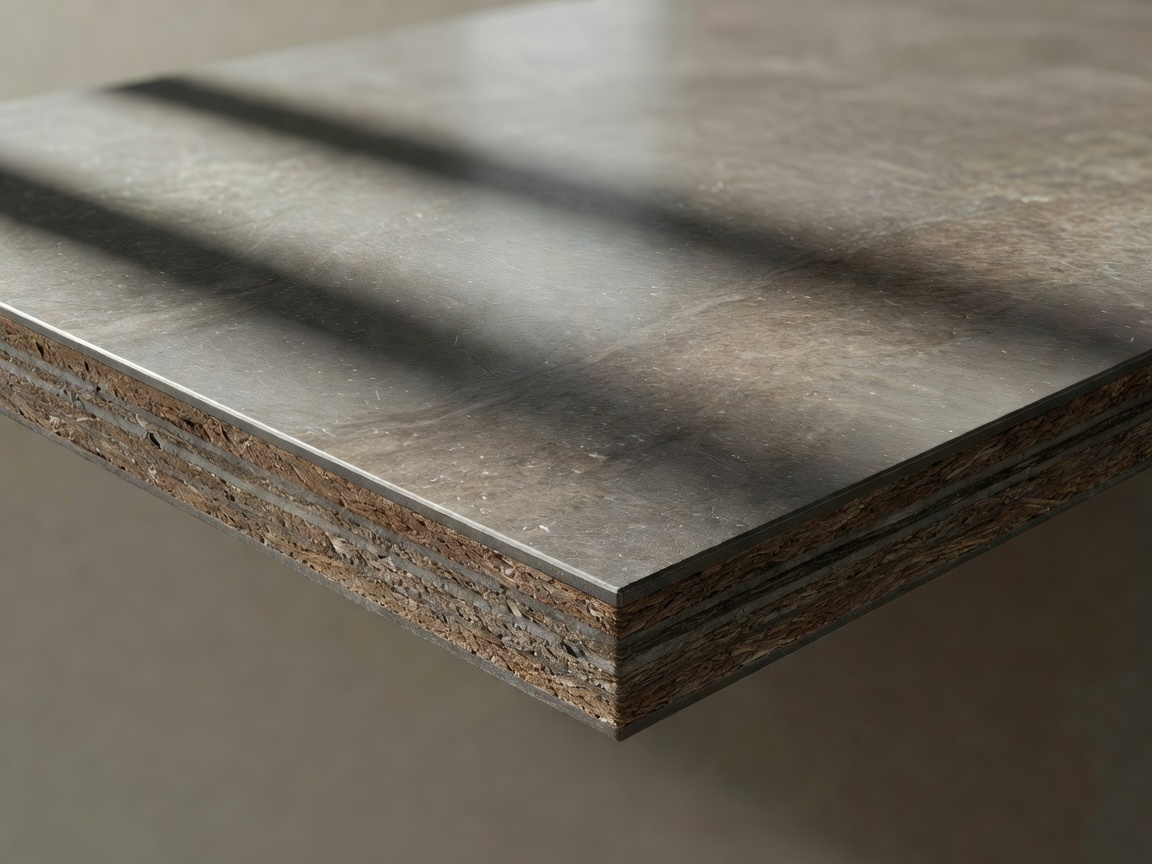
Engineered Composites
Traditional drywall is highly susceptible to cracking during transportation. Modular systems utilize fiber-reinforced composites that offer high flexural strength, preventing micro-fractures during crane lifting and transport.
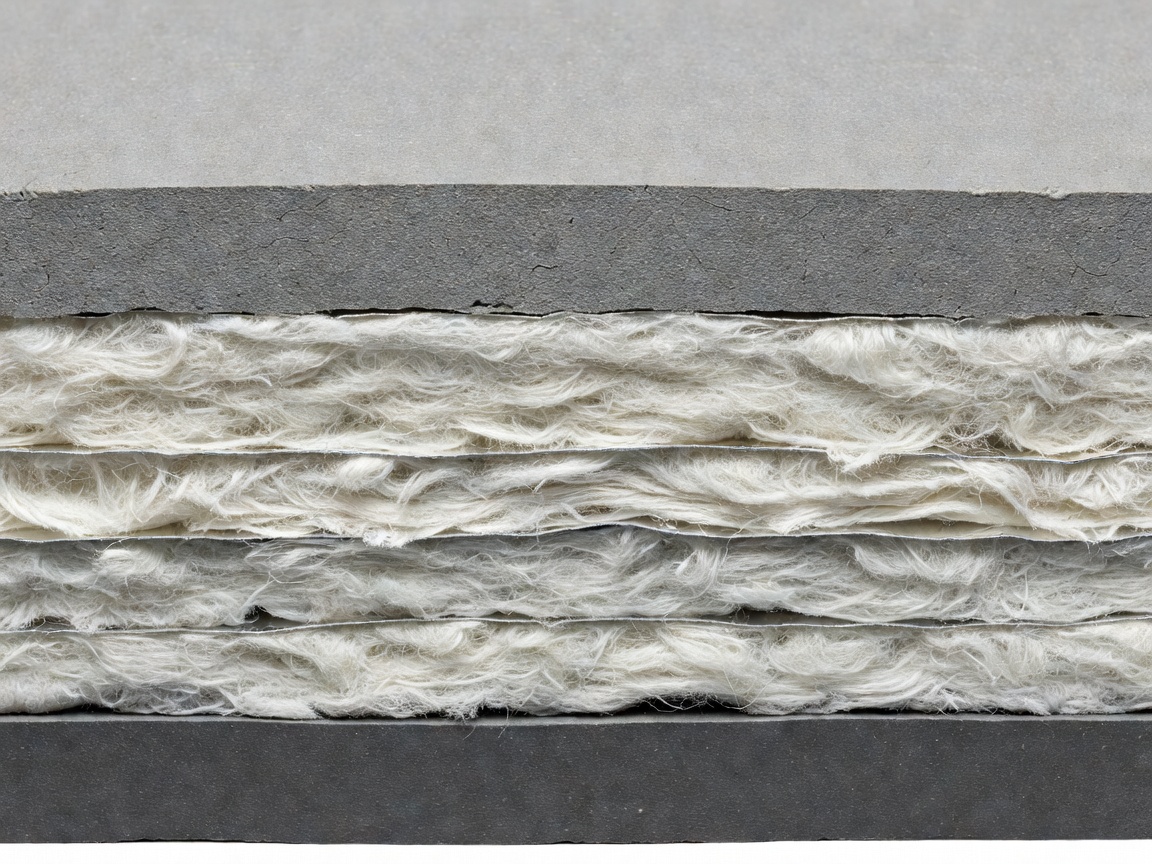
Thermal Monoliths
Closed-cell spray foams and rigid polyisocyanurate boards create unbroken thermal envelopes within the factory, achieving Passivhaus-level energy efficiency straight off the assembly line.
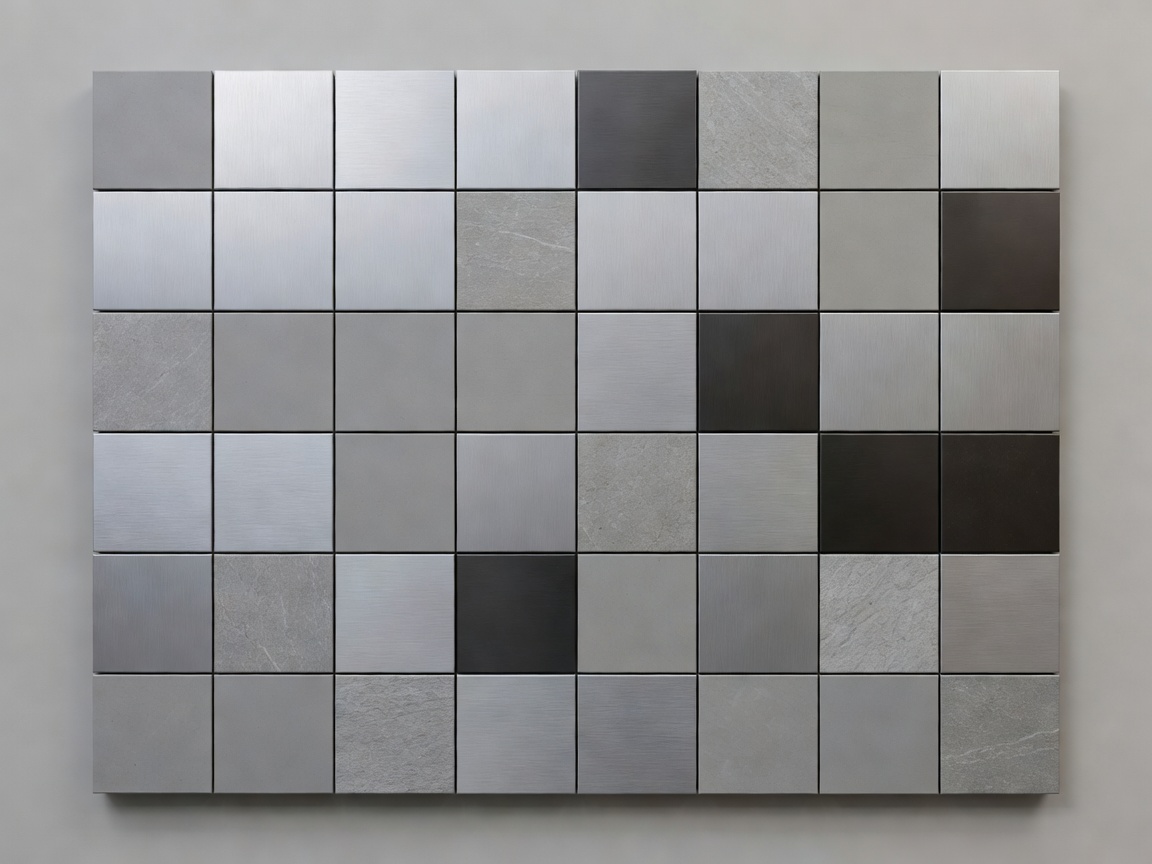
Pre-Finished Facades
High-pressure laminate (HPL) and anodized aluminum cassettes are applied in the factory. This eliminates the need for exterior scaffolding on site and guarantees a weather-tight seal from day one.
Acoustic Isolation Panels
One of the hidden benefits of volumetric modular architecture is superior acoustic performance. Because each module is essentially an independent box, multi-family and commercial developments benefit from a "double-wall" structural paradigm when units are stacked side-by-side.
To maximize this inherent advantage, we integrate Acoustic Isolation Panels into the floor and wall cavities. These specialized dampening panels utilize visco-elastic polymers sandwiched between rigid layers, converting sound energy into trace amounts of heat.
The result is industry-leading Sound Transmission Class (STC) ratings. Residents in modular apartments experience virtually zero impact noise from neighbors above, while commercial conference rooms enjoy absolute conversational privacy.