Factory Precision
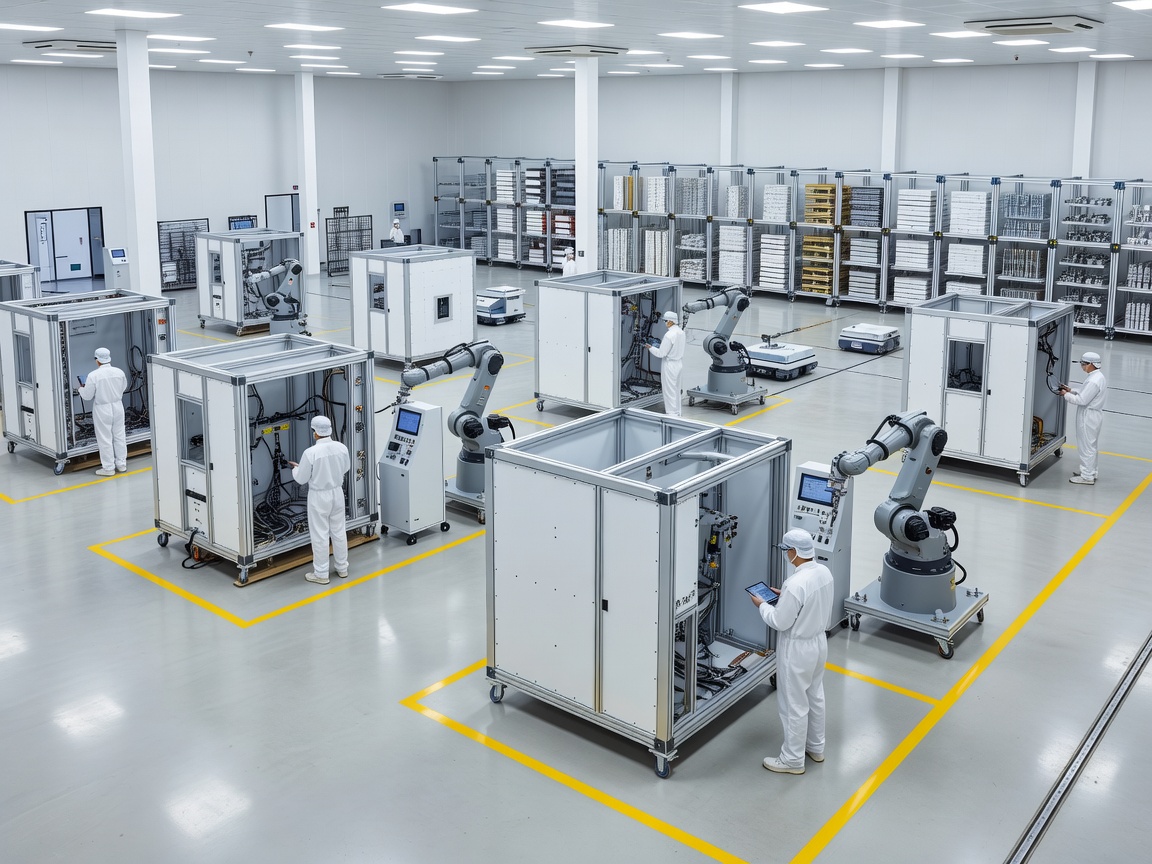
In modular construction, the manufacturing floor replaces the muddy building site. This shift allows for unprecedented tolerances, transforming architecture into a reproducible product rather than a bespoke, unpredictable project.
Interlocking Steel Frames
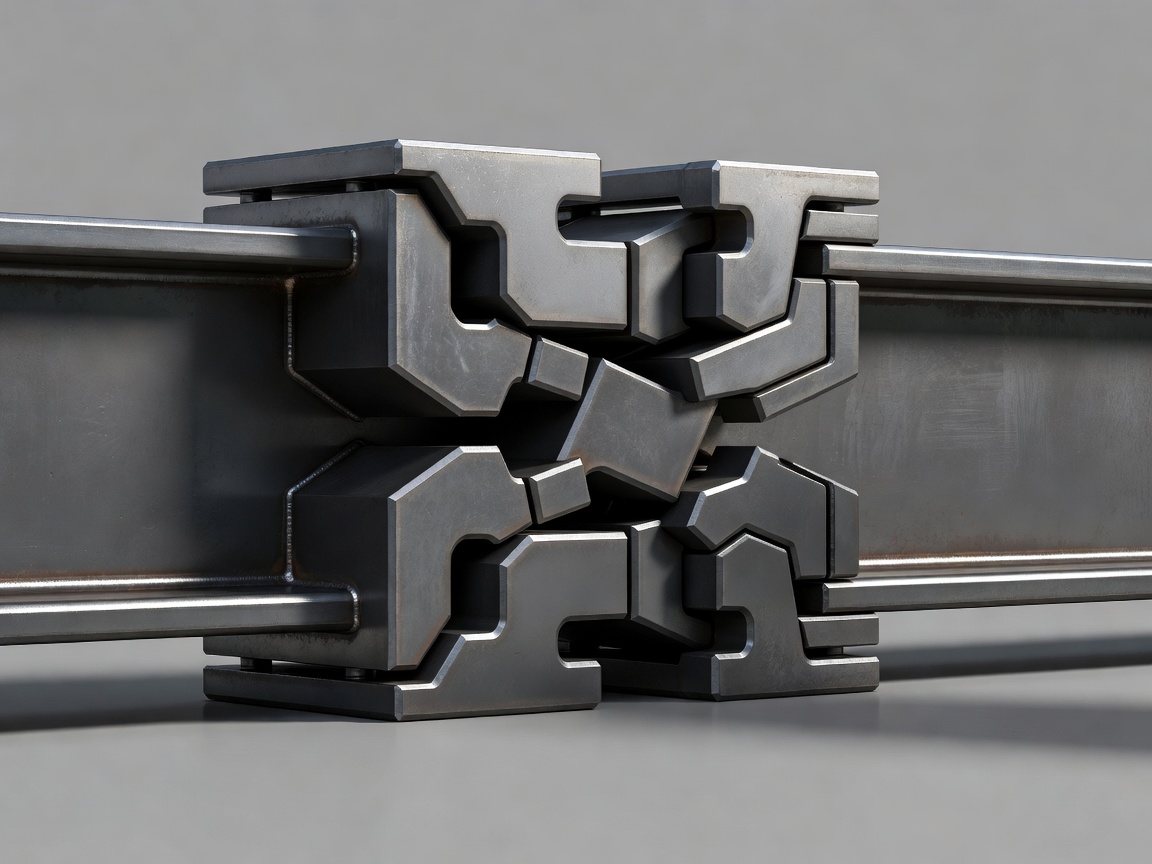
The structural integrity of any prefabricated building relies heavily on its skeletal framework. By utilizing Interlocking Steel Frames, manufacturers can ensure that structural nodes lock into place with millimeter accuracy.
Unlike traditional timber or poured concrete, cold-formed steel is unaffected by humidity variations during assembly. Automated rolling and cutting machinery processes raw steel coils into precise structural profiles. These profiles are then slotted and tabbed, enabling workers or robotics to assemble the frame rapidly, resembling a large-scale precision puzzle.
This method not only expedites the framing phase but inherently builds in dimensional stability that pays dividends when the modules are eventually stacked vertically on site.
Traditional vs Prefab Metrics
When commercial developers assess the viability of modular architecture, the data strongly favors controlled manufacturing. Below is a comparative analysis of standard industry metrics.
| Metric | Traditional Construction | Modular Manufacturing |
|---|---|---|
| Average Waste Percentage | 15% - 20% | Less than 4% |
| Weather-Related Delays | High (Uncontrolled) | None (Indoor Environment) |
| Tolerance Accuracy | +/- 10mm to 20mm | +/- 1mm to 2mm |
| Concurrent Processes | Sequential (Foundation -> Frame) | Simultaneous (Foundation + Pod Assembly) |
| Quality Inspections | Periodic, on-site | Continuous, station-by-station |